
Diagnostic Radiologist
Kaimātai Tātari Hihi Irirangi
Alternative titles for this job
Diagnostic radiologists diagnose disease and injury using x-rays, ultrasound, MRI, CT, nuclear medicine and radioactive solutions.
Pay
Diagnostic radiologists usually earn
$206K-$247K per year
Diagnostic radiologists can earn
$185K-$268K per year
Source: TEC research
Job opportunities

 Vocational Pathways
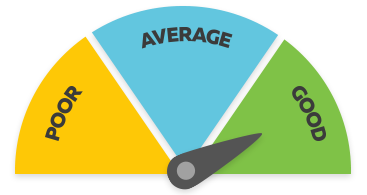
Pay
Pay for diagnostic radiologists varies depending on experience, hours, location and frequency of on-call or emergency cover.
- Diagnostic radiologists usually earn $206,000 to $247,000 per year.
- Diagnostic radiologists can earn $185,000 to $268,000.
Source: TEC research
(This information is a guide only. Find out more about the sources of our pay information)
What you will do
Diagnostic radiologists may do some or all of the following:
- advise doctors on the best examination to perform on a patient
- explain examination procedures to patients and discuss the results with them
- supervise medical radiation technologists when they perform examinations
- interpret images from radiographic examinations
- perform biopsies (taking tissue for diagnosis) from areas such as breasts, liver and kidneys
- teach medical students and trainee radiologists
- carry out research.
Skills and knowledge
Diagnostic radiologists need to have knowledge of:
- anatomy and how the human body works
- different diseases and illnesses
- medicines and treatments, and the effect these have on patients
- how to do minor surgical procedures, such as putting in stitches
- radiographic theory and methods, and the safe handling of unsealed radioactive sources
- research, treatments and practices
- medical ethics and law.
Working conditions
Diagnostic radiologists:
- usually work 40 to 60 hours a week, which may include on-call work during evenings, nights and weekends
- work in hospitals, clinics and private practices, using x-rays, chemicals and radioactive materials
- may travel nationally or overseas for conferences and seminars.
What's the job really like?
Radiologist video
Patients and staff discuss radiology's processes and benefits – 3.16 minutes). Video courtesy of Royal Australian and New Zealand College of Radiologists.
Cut to a man in a white shirt sitting at a computer with his back to the camera. He is looking at a scan of lungs. He turns. He wears a blindfold. On-screen text reads, 'It would be like flying blind.'
The music fades to background volume. Cut to a woman sitting on a sofa. On-screen text reads 'Susan, patient'.
Susan: "When I found a lump in my breast, I was in a panic. All l could think of was that it was cancer. My GP got onto it straight away and sent me to a radiologist to have it diagnosed."
Cut to a doctor standing in a radiology room. On-screen text reads 'Dr Kate O'Connor, clinical radiologist'.
Dr O'Connor: "When a woman feels a lump in her breast, we've got to find out what it is, quickly and accurately. To do that, we use a combination of state-of-the-art digital mammography, ultrasound, and MRI scanning as required, performed by highly trained staff, and interpreted by experienced radiologists who can take a targeted biopsy."
Cut to Susan.
Susan: "It was so efficient and reassuring. And the great thing was that I knew what to expect because my doctor recommended that I go to the 'Inside Radiology' website, which told me what I needed to know. While I was anxious waiting for the biopsy result, I knew that they'd been really thorough."
As Susan talks, we see her sitting at a computer looking at the website. Then the camera cuts back to her on the sofa.
Susan: "I can't tell you what a relief it was to find out that the lump was benign."
Cut to Dr O'Connor.
Dr O'Connor: "It really helps when a patient understands the tests we're doing. It's not enough to have the right technology to look inside the body. You need a trained team, and an experienced radiologist, to know when there's something to worry about, and when there isn't."
Cut to another young woman sitting at home. On-screen text reads 'Rachel, patient'.
Rachel: "Well, I suddenly felt really lightheaded and dizzy, and ..." She chuckles. "I thought it was because I'd missed my morning coffee shot. But then my heart started thumping and my skin was really cold and clammy. And then the pain in my chest hit, and it was agony to breathe."
Cut to a doctor standing in a radiology room. On-screen text reads 'Dr Gerard Goh, clinical radiologist'.
Dr Goh: "This is a medical emergency. It's rare but young women on the pill can get a blood clot in the lungs. It's called pulmonary embolism."
Cut to Rachel.
Rachel: "Luckily someone called an ambulance. And then the next thing I knew, I was getting my lungs scanned. And then I was told I had a clot. I later found out I could have died from this."
Cut to a doctor sitting at a computer.
Voiceover from Dr Goh: "Radiologists don't just take images of the body and interpret them. We can actually treat the patient as well."
Cut to Dr Goh.
Dr Goh: "In the case of pulmonary embolism, we can put a catheter inside the blocked artery in the lung and then inject a drug that dissolves the clot. I can't tell you what it's like to feel you can diagnose what's wrong with someone quickly and accurately, and then do a procedure for them that saves their life."
Cut to an older man at home. On-screen text reads 'Dirk, patient'.
Dirk: "I got this sudden terrible headache at the back of my head. Can't remember much after that."
Cut to a radiology room. Cut to a doctor. On-screen text reads, 'Dr Rajiv Rattan, clinical radiologist'. As he speaks, the camera switches between him and scenes of staff working in a radiology room.
Dr Rattan: "Subarachnoid hemorrhage can kill a patient quickly, and there's no time to waste. When we scan such patients, sometimes the bleeding is in such an inaccessible area that surgery is just not possible. And that is when we can help by passing a tiny coil into the artery to block it off, and stop the bleeding. The procedure itself is minimally invasive, and avoids the need for traditional surgery."
Cut to a man walking through a small park.
Voiceover from Dr Rattan: "It not only lowers the risk for the patient but also reduces the length of hospital stay and recovery."
The emotive background music swells. Cut to the man in the white shirt who was at the start of the video. He is sitting at the computer with his back turned to the camera. On-screen text reads, 'Medicine without radiology is like flying blind.' The man turns around. This time he is not wearing a blindfold.
Cut to a plain white background and the text, 'Go to Inside Radiology for what you need to know.'
www.insideradiology.co.nz
www.insideradiology.com.au
On-screen text changes to 'The Royal Australian and New Zealand College of Radiologists', along with their coat of arms.
Entry requirements
You need more than one qualification to become a radiologist.
You need:
- to complete the Health Sciences First Year programme at the University of Otago OR the first year of either the Bachelor of Health Sciences or Bachelor of Science in Biomedical Science at the University of Auckland
- a Bachelor of Medicine and Bachelor of Surgery
- 2 years of general medical experience
- 6 years of specialist training and examinations to become a Fellow of the Royal Australian and New Zealand College of Radiologists
- a current Annual Practising Certificate
- to pass a police check.
You also need to be registered with the Medical Council of New Zealand.
- University of Otago website - Health Sciences First Year programme
- University of Otago website - Bachelor of Medicine and Bachelor of Surgery
- University of Auckland website - Bachelor of Medicine and Bachelor of Surgery
- Royal Australian and New Zealand College of Radiologists website - diagnostic radiology training
The Vulnerable Children Act 2014 means that if you have certain serious convictions, you can’t be employed in a role where you are responsible for, or work alone with, children.
Secondary education
You need University Entrance to do the study or training for this job. Useful subjects include biology, chemistry, English, maths and physics.
Personal requirements
Diagnostic radiologists need to be:
- accurate and careful, with an eye for detail
- motivated and disciplined
- able to work well under pressure
- able to make good decisions, and solve problems
- excellent at analysis and interpretation
- good at communicating and inspiring confidence in others
- good at report writing
- understanding of other cultures' attitudes to medical procedures.
Useful experience
Useful experience for diagnostic radiologists includes:
- work as a medical radiation technologist
- work in hospitals or other health-related work, such as nursing
- work caring for people.
Physical requirements
Diagnostic radiologists need to have good eyesight (with or without corrective lenses) and excellent hand-eye co-ordination.
Registration
Diagnostic radiologists need to be registered with the Medical Council of New Zealand.
Find out more about training
- Medical Council of New Zealand
- 0800 286 801 - enquiry@mcnz.org.nz - www.mcnz.org.nz
- Royal Australian and New Zealand College of Radiologists
- (04) 472 6470 - www.ranzcr.edu.au
What are the chances of getting a job?
Strong demand for diagnostic radiologists
Chances of getting a job as a diagnostic radiologist are good due to:
- not enough diagnostic radiologists being trained
- an ageing population with more health problems
- diagnostic radiologists moving to overseas positions.
Diagnostic radiologist appears on Immigration New Zealand's long-term skill shortage list. This means the Government is actively encouraging skilled diagnostic radiologists from overseas to work in New Zealand.
According to the Census, 435 diagnostic radiologists worked in New Zealand in 2018.
Diagnostic radiologists work for public and private hospitals
Most diagnostic radiologists work in public or private hospitals. Some work in university medical schools.
Sources
- Careerforce, 'Young People Needed to Combat Health Sector Shortage', 5 May 2017, (www.careerforce.org.nz).
- Chambers, C, Dr., 'Burnout in New Zealand's Senior Medical Profession', October 2016, (www.asms.org.nz).
- Immigration New Zealand, 'Long Term Skill Shortage List', 19 February 2018, (www.immigration.govt.nz).
- Keene, L, 'International Medical Migration: How Can New Zealand Compete as Specialist Shortages Intensify?', 2017, (www.asms.org.nz).
- Medical Council of New Zealand, 'The New Zealand Medical Workforce', 2014, accessed March 2017, (www.mcnz.org.nz).
- Ministry of Health, 'Health of the Health Workforce 2015', 15 February 2016, (www.health.govt.nz).
- Stats NZ, '2018 Census Data', 2019.
(This information is a guide only. Find out more about the sources of our job opportunities information)
Progression and specialisations
Diagnostic radiologists may progress to teach students and trainee diagnostic radiologists. They can also become a senior consultant with responsibility for their department, or combine their duties with research or teaching.
Diagnostic radiologists may also specialise in an area such as:
- Cardiovascular Radiologist
- Cardiovascular radiologists specialise in heart and blood vessel imaging.
- Mammographer
- Mammographers specialise in breast imaging.
- Musculoskeletal Radiologist
- Musculoskeletal radiologists specialise in imaging muscles and bones.
- Neuroradiologist
- Neuroradiologists specialise in brain imaging.
- Paediatric Radiologist
- Paediatric radiologists specialise in imaging for children and babies.
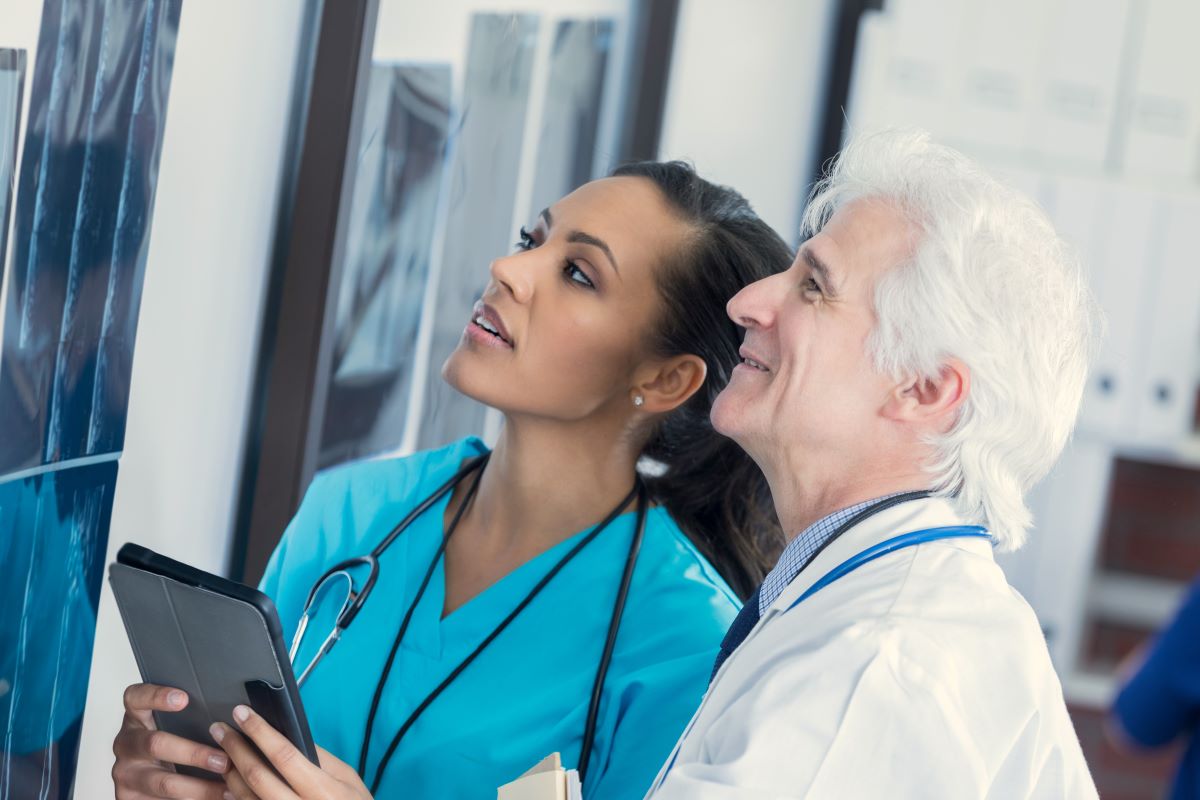
Diagnostic radiologists use x-rays and other images to diagnose illness and injury
Last updated 16 December 2024