
Aeroplane Pilot
Kaiwhakahaere Waka Rererangi
Alternative titles for this job
Aeroplane pilots fly planes that transport people and goods, or spread fertiliser or bait.
Pay
Aeroplane pilots usually earn
$96K-$283K per year
Aeroplane pilots can earn
$62K-$392K per year
Source: TEC research
Job opportunities
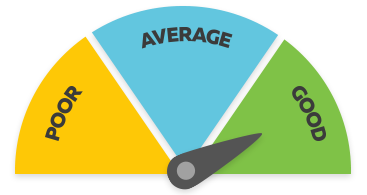

 Vocational Pathways
Pay
Pay for aeroplane pilots varies depending on experience, qualifications, location and what type of plane they fly.
New pilots' work may be irregular and part time. They may need to rely on a supplementary job to make a living, until they have enough flying experience to apply for work at an airline.
Aeroplane pilots usually earn $96,000 to $283,000 per year.
Aeroplane pilots can earn $62,000 to $392,000 per year.
Source: TEC research.
Charter or agricultural pilots and flying instructors
Charter pilots, agricultural pilots and flying instructors often work part time. They may start on the minimum hourly wage.
- PAYE.net.nz website - use this calculator to convert pay and salary information
- Employment New Zealand website - information about minimum wage rates
- Defence Careers website - information about working as a pilot
(This information is a guide only. Find out more about the sources of our pay information)
What you will do
Aeroplane pilots may do some or all of the following:
- prepare or check flight plans
- do pre-flight checks of weather forecasts and the plane's load, fuel and equipment
- calculate the amount of fuel needed for flights
- programme flight management systems
- liaise with air traffic control
- navigate and fly the plane to its destination
- write flight reports and keep a flight log
- greet passengers and assist them if necessary.
Agricultural pilots may also:
- consult with customers about chemicals and fertiliser
- calculate the amount and cost of chemicals or fertiliser
- apply chemicals or fertiliser to farm land and keep records.
Skills and knowledge
Aeroplane pilots need to have:
- excellent flying skills
- knowledge of flight theory and flight planning
- skill in interpreting flight plans, weather information and navigation data
- knowledge of aircraft systems
- understanding of aviation laws
- knowledge of safety rules and emergency procedures.
Agricultural pilots also need to have:
- knowledge of different types of farming, and the chemicals and fertilisers farmers use
- an understanding of Health and Safety at Work (Hazardous Substances) Regulations, and the Resource Management Act
- knowledge of air and water quality plans (to avoid pollution) and industry codes of practice.
Working conditions
Aeroplane pilots:
- work irregular hours (some pilots do shift work, and agricultural pilots may do seasonal work)
- work in airports and aeroplane cockpits
- work in conditions that may be noisy, and can be uncomfortable in bad weather
- travel within New Zealand or internationally.
Entry requirements
You need a qualification and training to become an aeroplane pilot.
You need:
- to be over 16 years old
- a New Zealand Private Pilot Licence OR New Zealand Commerical Pilot Licence
- to pass the ADAPT pre-pilot screening test
- 50 hours' flying experience for private pilots OR 200 hours' flying experience for commercial pilots
- a New Zealand Diploma in Aviation (Level 6) OR New Zealand Diploma in Aviation - (Aeroplane and Helicopter) (Level 6) OR a Bachelor of Aviation
- an NZCAA medical certificate.
You may need:
- experience in the Young Eagles flying programme
- to join the Royal Air New Zealand Force
- Flight Instructor Training (C Category).
Military pilots
To become a military pilot, you need to join the Royal NZ Air Force and complete their training.
Secondary education
You need NCEA Level 3 to do the study or training for this job. Useful subjects include English, maths and physics.
Flying experience at aero clubs
If you are between 12 and 18 years old, you can apply for the Young Eagles flying experience programme, run through local aero clubs.
Additional requirements for specialist roles:
To become an aircraft captain of a plane that needs a co-pilot, you must also have an Airline Transport Pilot Licence (ATPL).
Personal requirements
Aeroplane pilots need to be:
- responsible
- good at planning, thinking logically, and following procedures
- excellent at working under pressure
- able to make quick, sound decisions
- good leaders
- skilled communicators
- able to relate to people from a range of cultures and backgrounds
- resilient
- good at record-keeping.
Useful experience
Useful experience for aeroplane pilots includes:
- aviation industry work
- aircraft engineer work
- loader/driver work
- work with navigational and radio equipment
- customer service.
Physical requirements
Aeroplane pilots need to have:
- good hearing and eyesight (with or without corrective lenses)
- good reflexes and co-ordination
- a good level of fitness and health, as they must pass a medical exam every year.
Find out more about training
- Air New Zealand Academy of Learning
- (09) 255 5701 - www.airnzlearning.co.nz/ai/
- Aviation New Zealand
- (04) 472 2707 - www.aia.org.nz
What are the chances of getting a job?
Chances are good for experienced pilots
Chances of getting a job as an experienced aeroplane pilot are good due to:
- increased demand for aeroplane pilots
- older pilots retiring.
In early 2023, Air New Zealand, the largest employer of aeroplane pilots, asked qualified and experienced pilots to register their interest in:
- jet pilot work
- first officer work flying turboprop (propellor) planes. First officer is the entry role to becoming a pilot.
According to the Census, 2,580 aeroplane pilots worked in New Zealand in 2018.
Demand for agricultural pilots varies
Demand for agricultural pilots varies depending on the strength of the agriculture, horticulture and forestry economies.
Ways to get your first pilot job
It can be difficult for new aeroplane pilots to secure their first job. A 2018 survey of new pilots found only 43 percent had work as a pilot within one year of getting their Commercial Pilot Licence. Often this was part time.
To gain your first flying job it helps to:
- be prepared to live in different parts of the country
- make contacts who could refer you to employers with vacancies
- gain a Flight Instructor Rating (C Category) and work as a flying instructor
- travel overseas to get flying experience.
Air New Zealand the main employer of aeroplane pilots
Most aeroplane pilots work for Air New Zealand. Others work for:
- Jetstar
- charter companies which offer, for example, sightseeing, air ambulance or land surveying services
- private and corporate (business) air services
- the Royal NZ Air Force
- agricultural flying businesses.
Sources
- Air New Zealand, 'Pilots', accessed March 2022, (careers.airnewzealand.co.nz).
- Air New Zealand, 'Expression of Interest - First Officer, Turboprop Fleet', accessed 29 March 2023, (www.jobs.airnewzealand.co.nz).
- Air New Zealand, 'Expression of Interest - Air New Zealand Jet Pilot', accessed 29 March 2023, (www.jobs.airnewzealand.co.nz).
- Anthony, J, 'Air New Zealand Looking to Hire Pilots For Turboprop Fleet', 4 March 2022, (www.stuff.co.nz).
- Boeing, ‘Pilot and Technician Outlook 2022-2041’, 25 August 2022, (www.boeing.com).
- Civil Aviation Authority, 'How to Be a Pilot', January 2019, (www.aviation.govt.nz).
- Griffin, D, and Murrie, J, 'Pilot Career Progression in New Zealand: A Study Conducted by NZALPA and Massey University School of Aviation', 30 November 2018, (mro.massey.ac.nz).
- Hendry-Tennent, I, 'Goverment Warned 12 Months Ago New Zealand Risked Losing Pilots if Something Wasn't Done', 11 July 2022, (www.newshub.co.nz).
- Jetstar, 'Being a Pilot at Jetstar', accessed February 2020, (www.jetstar.com.au).
- Lake, D, 'Hundreds of Air NZ Pilots to be Recalled as Airline Looks at Possible Return to Service for Grounded Boeing 777-300s', 29 November 2021, (www.newshub.co.nz).
- O’ Dwyer, E, ‘Trainee Pilots Allowed Back in the Country a "Boost" to Aviation Industry’, 28 October 2021, (www.stuff.co.nz).
- Stats NZ, '2018 Census Data', 2019.
(This information is a guide only. Find out more about the sources of our job opportunities information)
Progression and specialisations
Newly qualified aeroplane pilots often complete further training to work as flying instructors. This means they can build up enough flying hours to apply for work at an airline.
Aeroplane pilots can specialise in a number of roles, including:
- Agricultural Pilot
- Agricultural pilots fly aircraft to apply chemicals or fertiliser to farmland. They may fly fixed-wing aircraft or helicopters.
- Charter Pilot
- Charter pilots fly tourist or air ambulance services, or provide services such as aerial photography or land surveying.
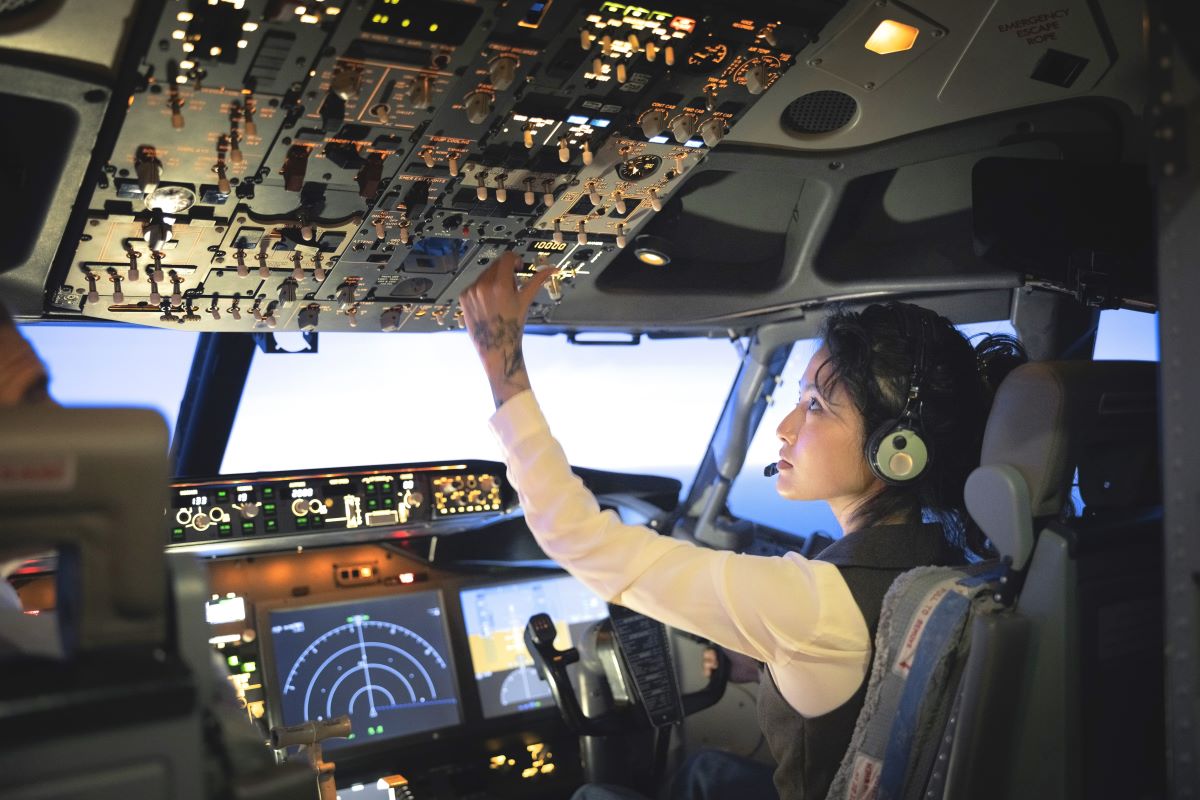
Aeroplane pilots fly planes that transport people or goods
Last updated 27 March 2025